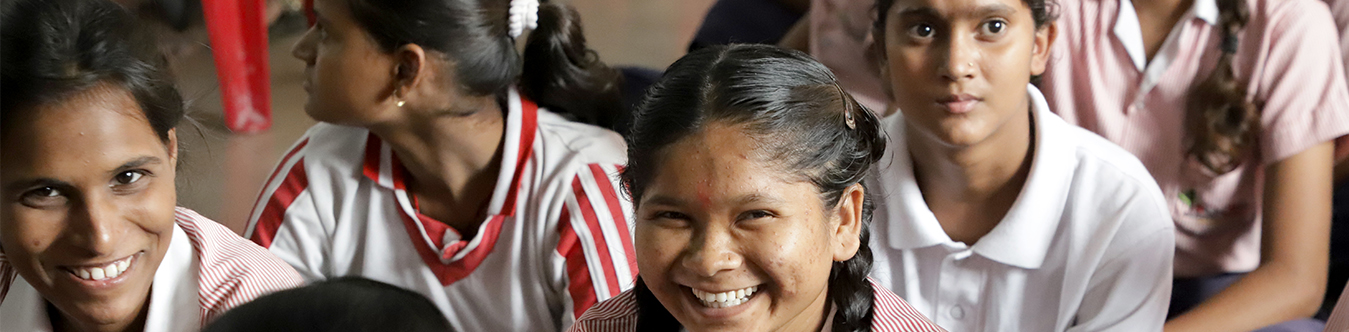
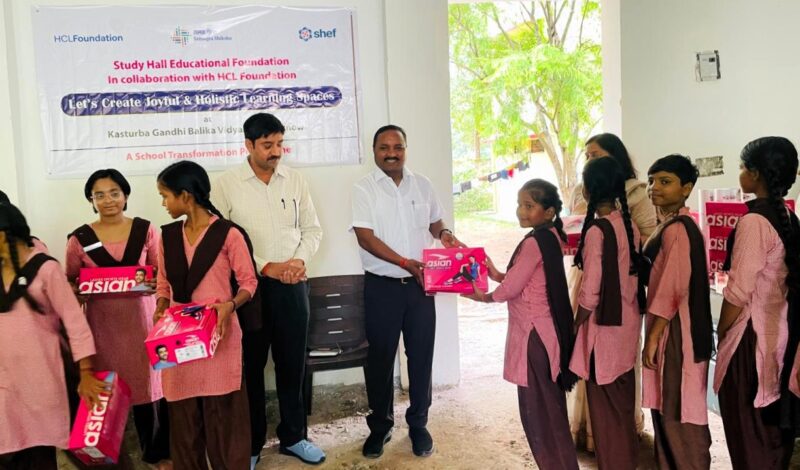
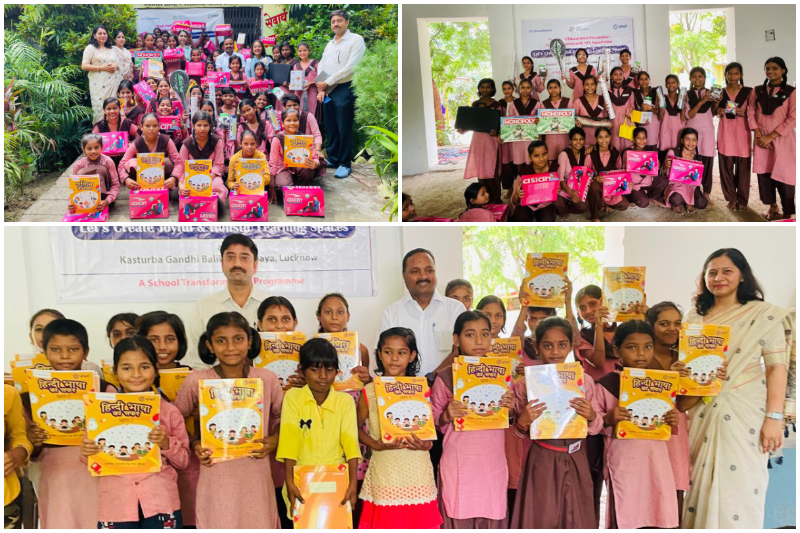
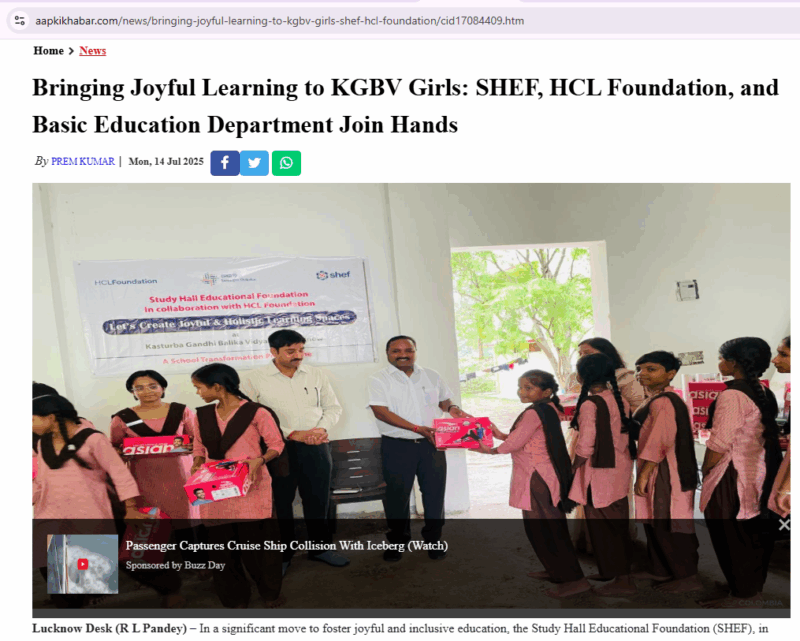
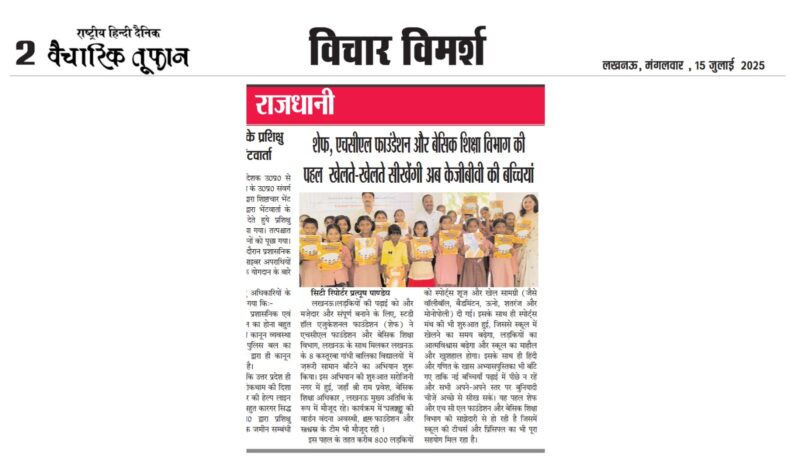
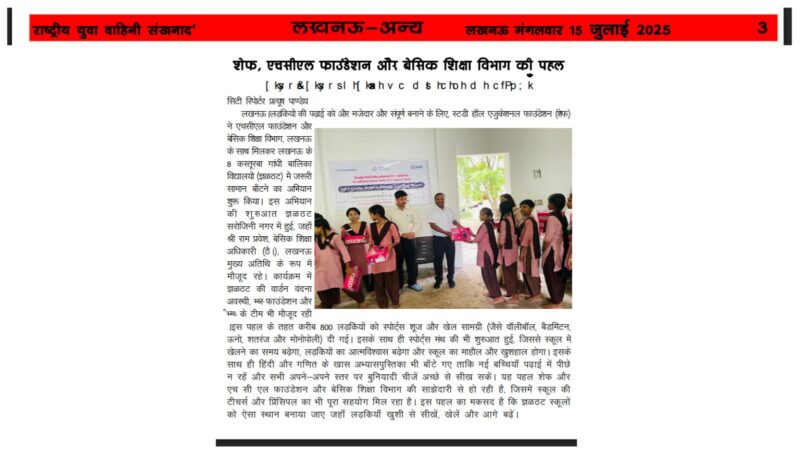
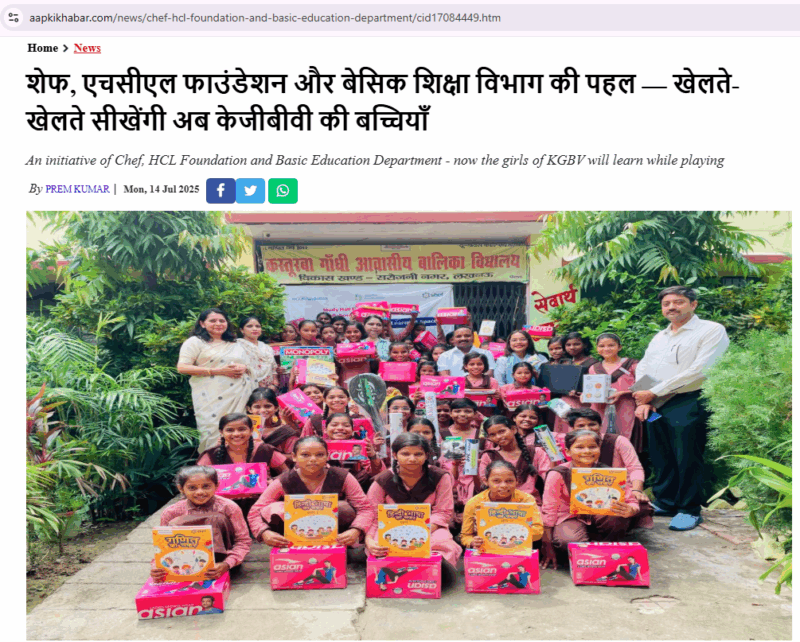
Lucknow, July 2025 – In a strong step toward holistic and joyful learning, the Study Hall Educational Foundation (SHEF), with support from the HCL Foundation and Basic Education Department, launched a large-scale distribution drive across 8 Kasturba Gandhi Balika Vidyalayas (KGBVs) in Lucknow. The drive was formally inaugurated at KGBV Sarojini Nagar by Mr. Ram Pravesh, Basic Shiksha Adhikari (BSA), Lucknow, whose leadership and presence underscored the government’s commitment to strengthening girls’ education. Also present were KGBV warden Vandana Awasthi, representatives from the HCL Foundation, and the SHEF team. As part of this initiative, nearly 800 girls received sports shoes and a wide range of games including volleyball, badminton, UNO, chess, and Monopoly — marking the launch of Sports Month across KGBVs. This effort aims to promote physical activity, boost confidence, and create more inclusive, energetic school environments through regular play. To further support new admissions and address foundational learning gaps, specially curated Hindi and Mathematics workbooks were also distributed. These resources will help girls strengthen basic academic skills at their own pace, ensuring no child is left behind. This collaborative effort by SHEF, HCL Foundation, and the Basic Education Department, Lucknow, with strong support from school leadership and teachers, aims to make KGBVs joyful, engaging, and empowering spaces for adolescent girls.
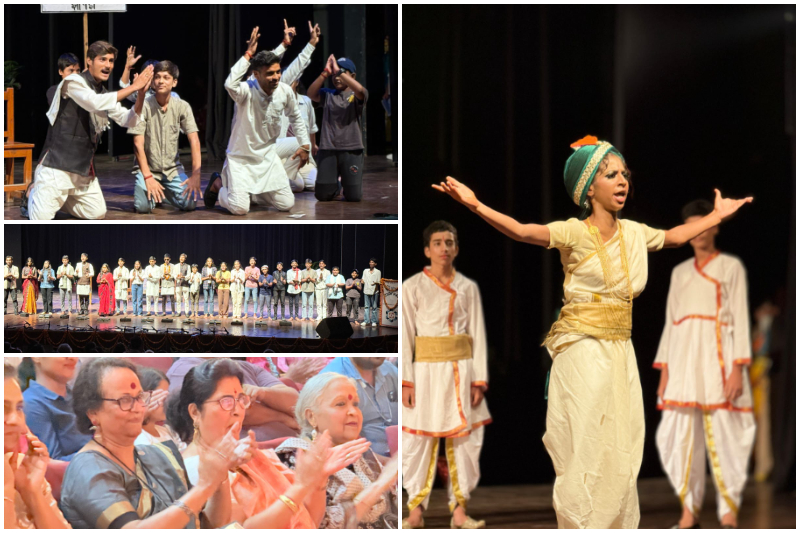
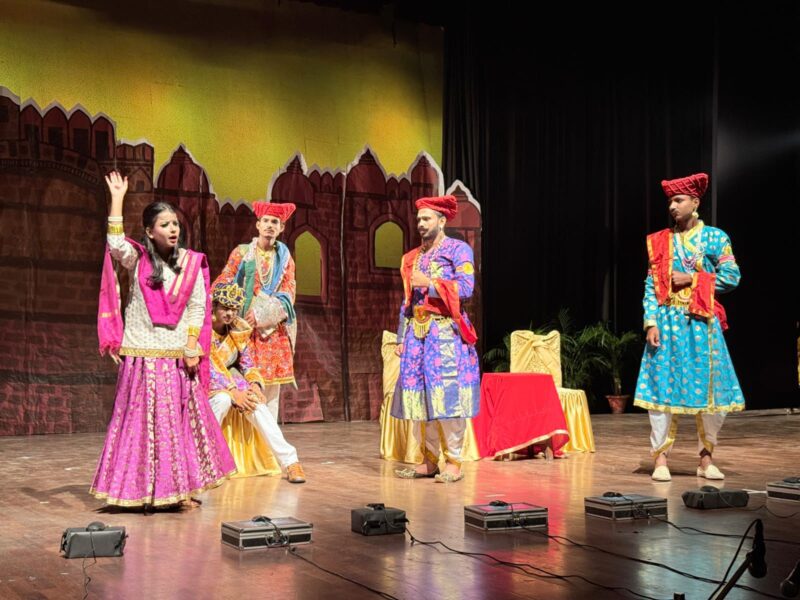
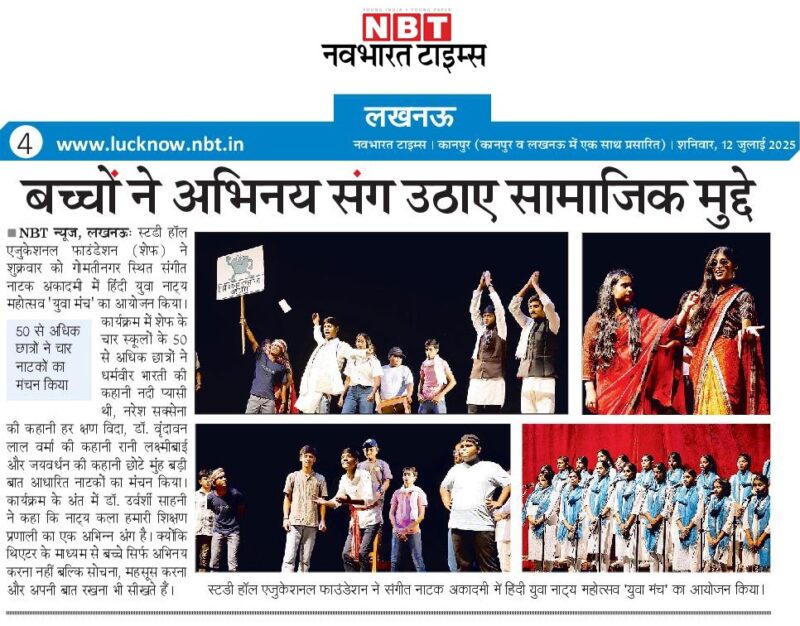
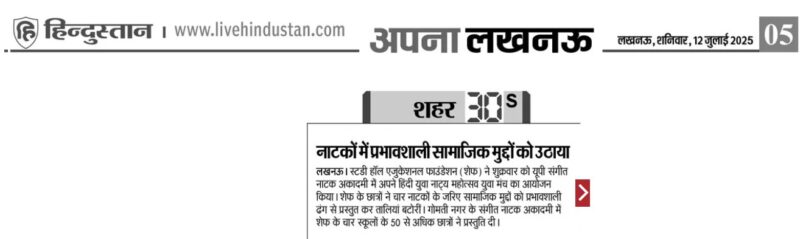
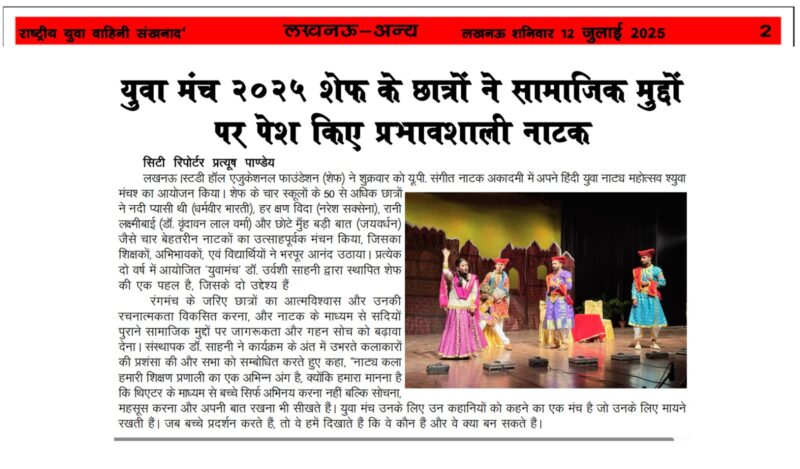
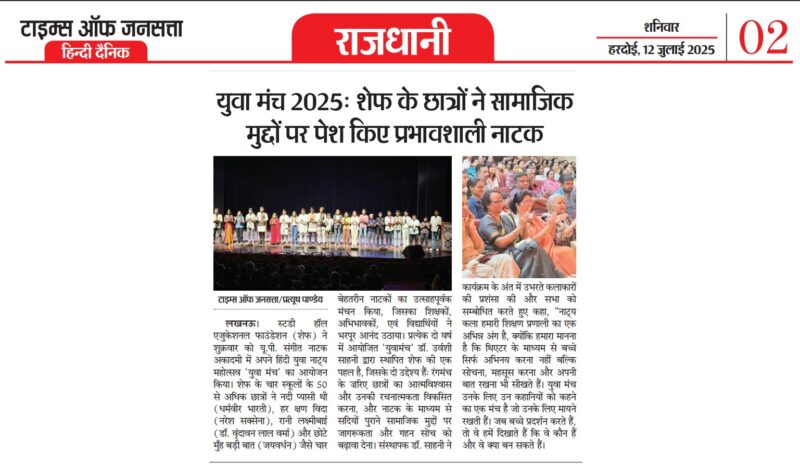
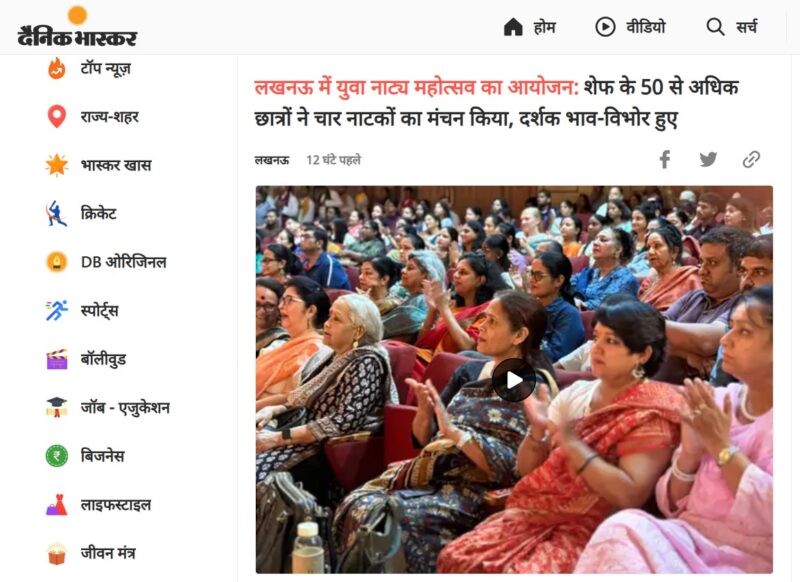
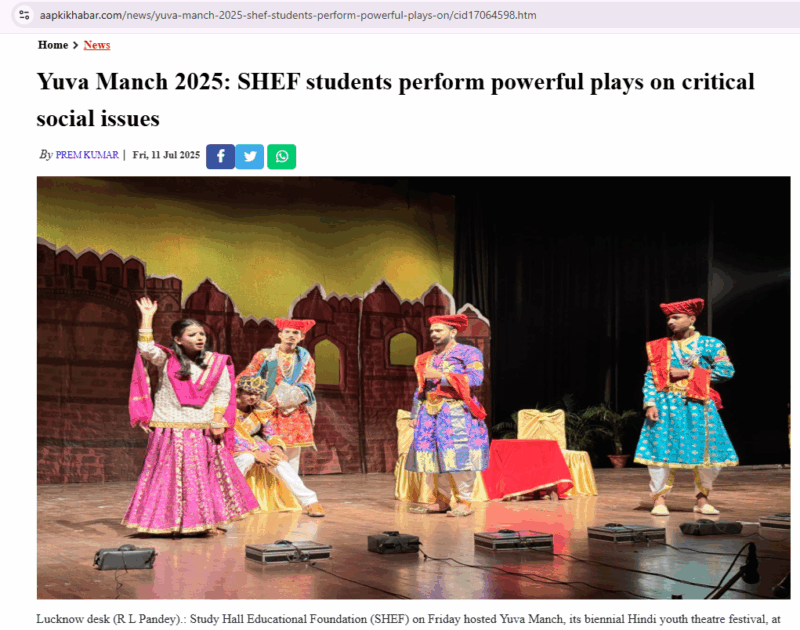
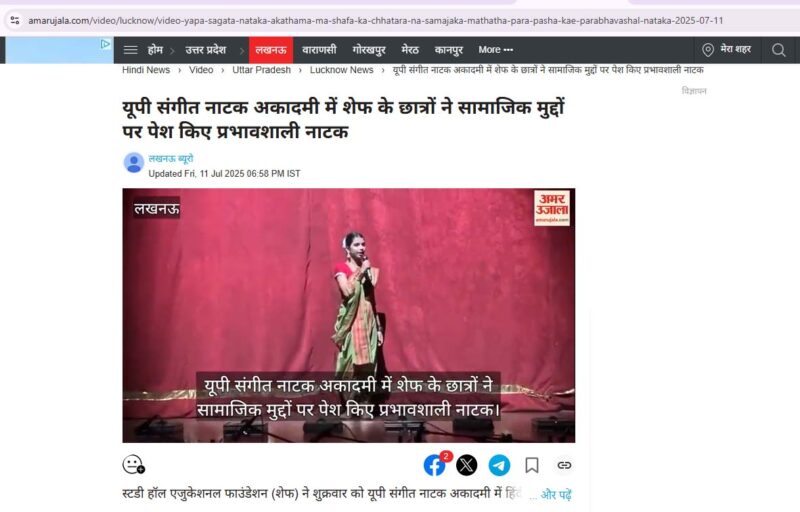
Lucknow: Study Hall Educational Foundation (SHEF) on Friday hosted Yuva Manch, its biennial Hindi youth theatre festival, at Sangeet Natak Academy. Over 50 students from four SHEF institutions — Study Hall, Prerna Girls School, Vidyasthali Kanar Inter College, and Study Hall College — performed four Hindi plays that captivated the audience and inspired fresh thinking: Ek Kshhan Vida (Naresh Saxena), Rani Laxmi Bai (Dr. Vrindavan Lal Verma), Chote Muh Badi Baat (Jaivardhan), and Nadi Pyasi Thi (Dharmveer Bharti).
Launched in 2006, Yuva Manch is a platform dedicated to promoting theatre among young students. It has become an integral part of SHEF’s efforts to nurture creativity and expression through the performing arts while raising awareness and encouraging critical thinking on long-standing social issues.
Addressing the full house at Sangeet Natak Academy, SHEF’s Founder Dr Urvashi Sahni said, “At SHEF, drama is an integral part of our pedagogy because we believe children learn best when they are engaged emotionally, intellectually, and creatively. Through theatre, they don’t just learn to act—they learn to think, to feel, and to speak up. Yuva Manch is their space to tell the stories that matter to them. When children perform, they show us who they are and who they can become.”
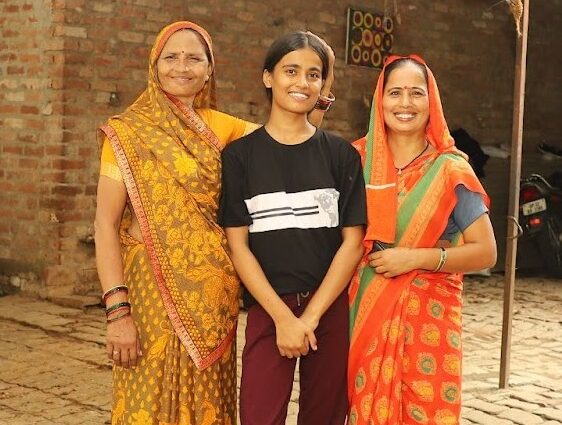
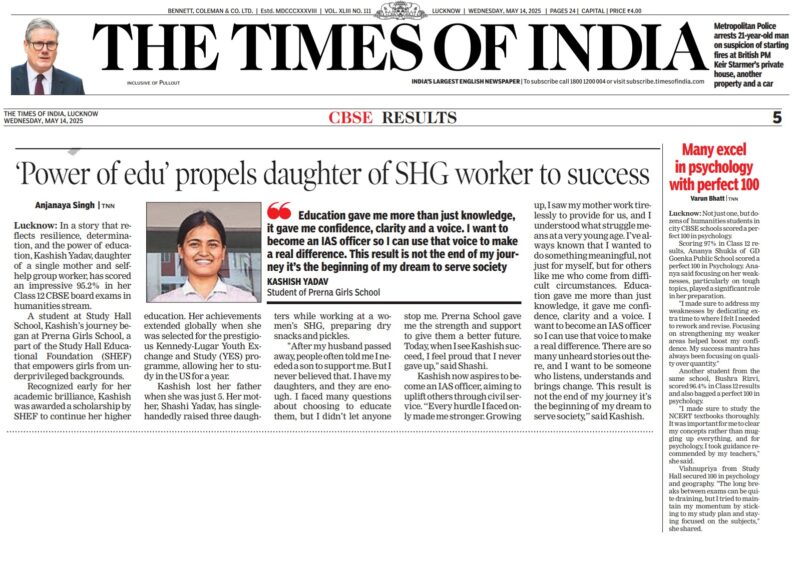
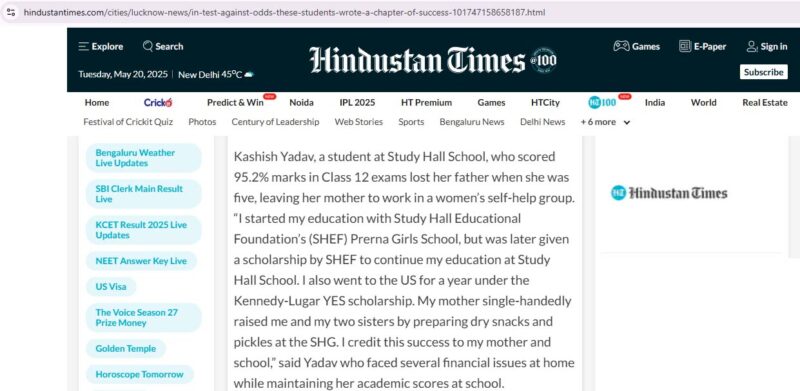
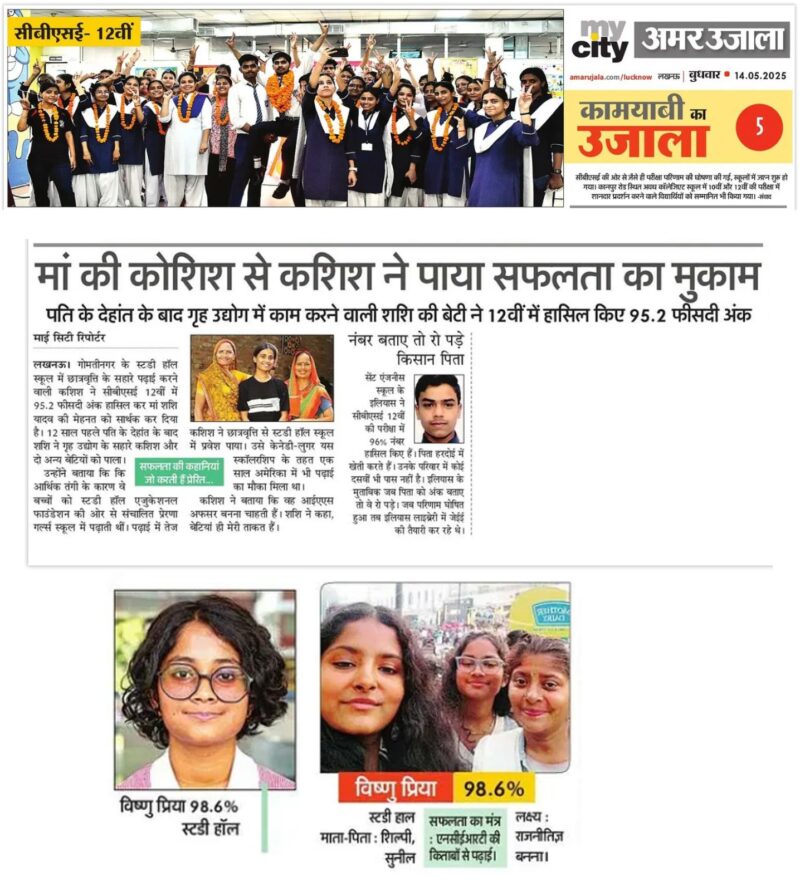
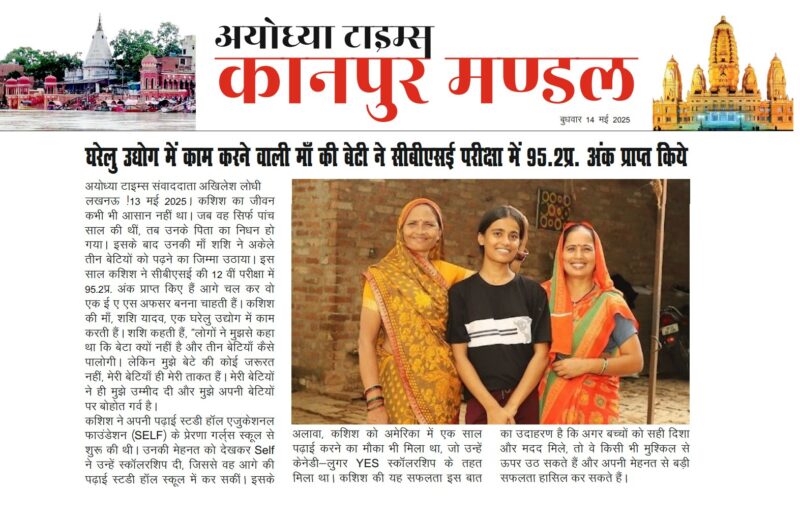
Kashish Yadav, daughter of a single mother who works as a house help, has scored 95.2% in her class 12 CBSE exams. She started her education with Study Hall Educational Foundation’s (SHEF) Prerna Girls School but because of her exceptional academic performance she was given a scholarship by SHEF to continue her education at Study Hall School. Earlier, she also studied in the USA for a year under the Kennedy-Lugar YES scholarship.
Kashish lost her father at the age of five. Her mother, Shashi is a single parent, raising three daughters and works at a women’s self help group, where she makes dry snacks and pickles.
“I dealt with society when they questioned me for not having a son and raising three daughters alone after losing my husband. I was able to send all my daughters to school because of Prerna School. I don’t need a son, I have my daughters”, says Shashi. In the past, 10 girls had been selected from Study Hall Educational Foundation for the YES programme to study in the US. The Kennedy-Lugar Youth Exchange and Study (YES) programme brings high school students from countries of strategic importance to the United States for an academic year
Lucknow: Study Hall Educational Foundation (SHEF) in collaboration with the Department of Psychology and Institute of Women’s Studies organised the culmination ceremony of SHEF’s annual girls rights campaign – India’s Daughters Campaign 2024 – 25. State Minister of Rural Development Vijay Lakshmi Gautam, who was also the chief guest, said on the occasion, “SHEF has done commendable work in educating children for gender justice. Government school teachers and children have worked very hard and brought about positive change. Stopping over 400 child marriages and getting teachers and children to report over 1500 cases of gender injustice is no mean feat.”
The Aarohini program launched by Uttar Pradesh Chief Minister Yogi Adityanath promotes gender education and critical feminist pedagogy to empower students to challenge patriarchal norms in their communities. The initiative has reached over 2.85 lakh students and 35,000 teachers across seven states and 1,600 schools, transforming classrooms into platforms for gender advocacy and justice.
Honouring Champions of Gender Justice at the India’s Daughters Campaign 2025
The Closing and Felicitation Ceremony of India’s Daughters Campaign 2025 celebrated the courage and leadership of students and teachers who took bold steps to advance gender justice in their communities. The ceremony was held at the Malviya Hall of Lucknow University.
Several young changemakers were recognised for their real-life interventions. Raveena (13) from Kasturba Gandhi Balika Vidyalaya (KGBV), Palia stopped a child marriage with police support. Roshni (13) from KGBV Sadar, Basti, re-enrolled herself in school despite family resistance. Shivani (14) stood up to domestic violence to protect her mother. Boys like Devendra and Ritik Raj prevented the early marriage of sisters and brothers and took action against violence. Akhilesh encouraged regular school attendance among boys in his community. These students demonstrated that empowered youth can be powerful agents of change.
Teachers too were honoured for their frontline role in protecting children. Nisha Mishra of KGBV Suratganj and Ram Pal of UPS Bareti Jalalpur intervened in numerous cases of child marriage and abuse. Teachers like Pinku and Amita prevented violence and promoted girls’ education through consistent advocacy.
The ceremony also acknowledged dedicated educators from across the Aarohini network, whose work continues to drive systemic change. These awardees exemplify the power of feminist education in building a more just and equal society.
Also in attendance were the Pro Vice Chancellor of Lucknow University Prof Manuka Khanna, Ekta Singh – Additional State Project Director, Sarva Shiksha Abhiyan, Vishnu Kant Pandey, Additional Director, UP Secondary Education, Vivek Nautiyal, Additional Director, UP Secondary Education, Mukesh Singh, Varisht Vishesh, Balika Shiksha, Sarva Shiksha Abhiyaan.
November 30, 2024: Study Hall Educational Foundation (SHEF) organized a powerful rally under its annual girls’ rights campaign – India’s Daughter Campaign to advocate for the safety of women and girls. The event was led by students of the Veerangana group, a student-led social action initiative at Prerna Girls School and Prerna Boys School. Over 700 students participated, reaching out to more than 3,000 community members across the villages of Digdiga, Gwari, and Ujariyaon in Gomti Nagar, Lucknow.
Speaking at the event, Rakhee Panjwani, Principal of Prerna Girls School, emphasized the importance of collective action. She said, “Ensuring the safety of women and girls is a societal responsibility. Change begins with each one of us. I urge men and boys to stand with us in the fight to end violence against women and create a safe world for everyone.”
The rally featured vibrant posters, impactful slogans such as “Educate Men to Ensure Women’s Safety,” and street plays aimed at raising awareness. Students engaged community members in signature campaigns, encouraging them to pledge their commitment to fostering safe, respectful spaces for women at home, in society, and at the workplace.
The event witnessed participation from heads of SHEF schools including Roli Saxena, Vice Principal of Prerna Girls School; Pratima Srivastava, Principal of Prerna Boys School; Monica Chandra; Shibani Sahni; and Priyanka Saxena, the lead for the India’s Daughter Campaign. Surabhi Kashyup representing the Global Shapers Lucknow Hub, also lent her support to the initiative.
The rally is part of SHEF’s ongoing efforts to promote gender equality and empower communities to take a stand against violence and discrimination.
Lucknow: Vidyasthali organised its Annual Track & Field Day, Parakram 2024, on Tuesday, 12th November 2024. Mr Ahsan Khan, chairman of Nagar Panchayat, Malihabad presided as the honourable chief guest on the occasion.
The lighting of the torch kickstarted the proceedings, followed by a march-past by students of each house. Little ones joined the parade dressed as animals from the wild who wanted to be a part of this journey of grit and courage.
Ashan Khan said, “I’m thrilled to see such remarkable sportsmanship on display. The children of Vidyasthali have truly made us proud. My heartfelt congratulations to the students, teachers, and parents. This achievement is inspiring, and I hope it sets an example for other schools to follow.”
Shipra Verma, Principal of Vidyasthali, said, “Parakram is a celebration of our children’s hard work and dedication. This sports day is their achievement, and they are at the heart of every moment presented here today.”
Events like Shakti Vandana, a call to the divine; Umbrella Drill, Yoga, Kalaripayattu (a martial art from Kerala), Balloon Drill, Bohemian Drill, and Mizo Dance marked the day.
Children presented great athletic moves as the finalé ended with a song of salutation to the mothers by all students coming together. Principal Ms Shipra Verma proposed the vote of thanks. A teaser for next session’s Annual Day was also presented.
Parents were delighted to give their views in a video interview to students. They also wrote their comments and wishes on the memory wall before they bid adieu to one of the most happening congregations in Malihabad.
The Land Port Authority of India invited the SHEF Advocacy team to conduct a one-day workshop at the Integrated Check Post in Rupaiyidha, located at the India-Nepal border. The session focused on the interrelationship between gender and mental health, and it was attended by a diverse group of 65 participants, including representatives from the Land Port Authorities of India and Nepal, Nepal Police, Rupaiyidha Police, the Excise Department, the Customs Department, the Export-Import Internal Model Department of Nepal, the Traffic Development Committee, the Animal Husbandry Department, the ICP Department, as well as doctors and media personnel.
The workshop commenced with a foundational discussion on the concept of gender, distinguishing it from sex, and exploring the impact of gender inequality on the lives of girls and women. In light of the rising atrocities against women, the seminar encouraged participants to challenge and shift their mindsets towards promoting equality. This led to an in-depth conversation on the intersection of gender norms, stereotypes, and their detrimental effects on mental health.
Participants were informed about the alarming consequences of these societal expectations on both men’s and women’s mental well-being. Emphasis was placed on the importance of self-monitoring mental health, adopting effective practices to maintain it, and recognizing the normalcy of seeking professional help when facing mental health challenges. The facilitator highlighted that mental health should be treated with the same priority as physical health, encouraging participants to engage in activities and exercises that promote overall well-being.
During the session, Inspector Rajpal raised an insightful query about the difference between overthinking and anxiety, and sought guidance on preventive measures. The facilitator provided clarity on this topic, offering strategies to mitigate both overthinking and anxiety. Several participants took the opportunity to discuss their personal concerns with the counselor, who graciously scheduled follow-up appointments to address their specific issues and provide ongoing support.
The workshop not only fostered awareness about the crucial link between gender equality and mental health but also provided a safe space for participants to engage in open dialogue, seek guidance, and commit to taking proactive steps toward personal and collective well-being.
Other speakers including Senior Teacher Avdesh Gupta, honored the guest speakers by thanking them and adding to the keynote speakers that the changing times have created impact on the wellbeing of the children today, it is also affecting the mental health of the children and guardians therefore we need to pay a lot of attention to our wellbeing and keep taking preventive measures, for a perfect wellbeing, BJP Leader Ratan Agarwal, gave a thanks giving note and encouraged the participants to manage their mental health by doing things that they like for example listening to music, going for a walk.
Immigration Inspector Nepal Krishna Sharma, the Export-Import Internal Model Department of Nepal – Santosh Dahal, Mait Nepal- Reena Singh Social Worker Karuna Chaudhary, Husbandry Qurantine Nepal Officer Vijay Kumar Chaudhary also participated in the workshop.
Exploring Gender Equality: A Workshop with Bhagidaari Bhavan
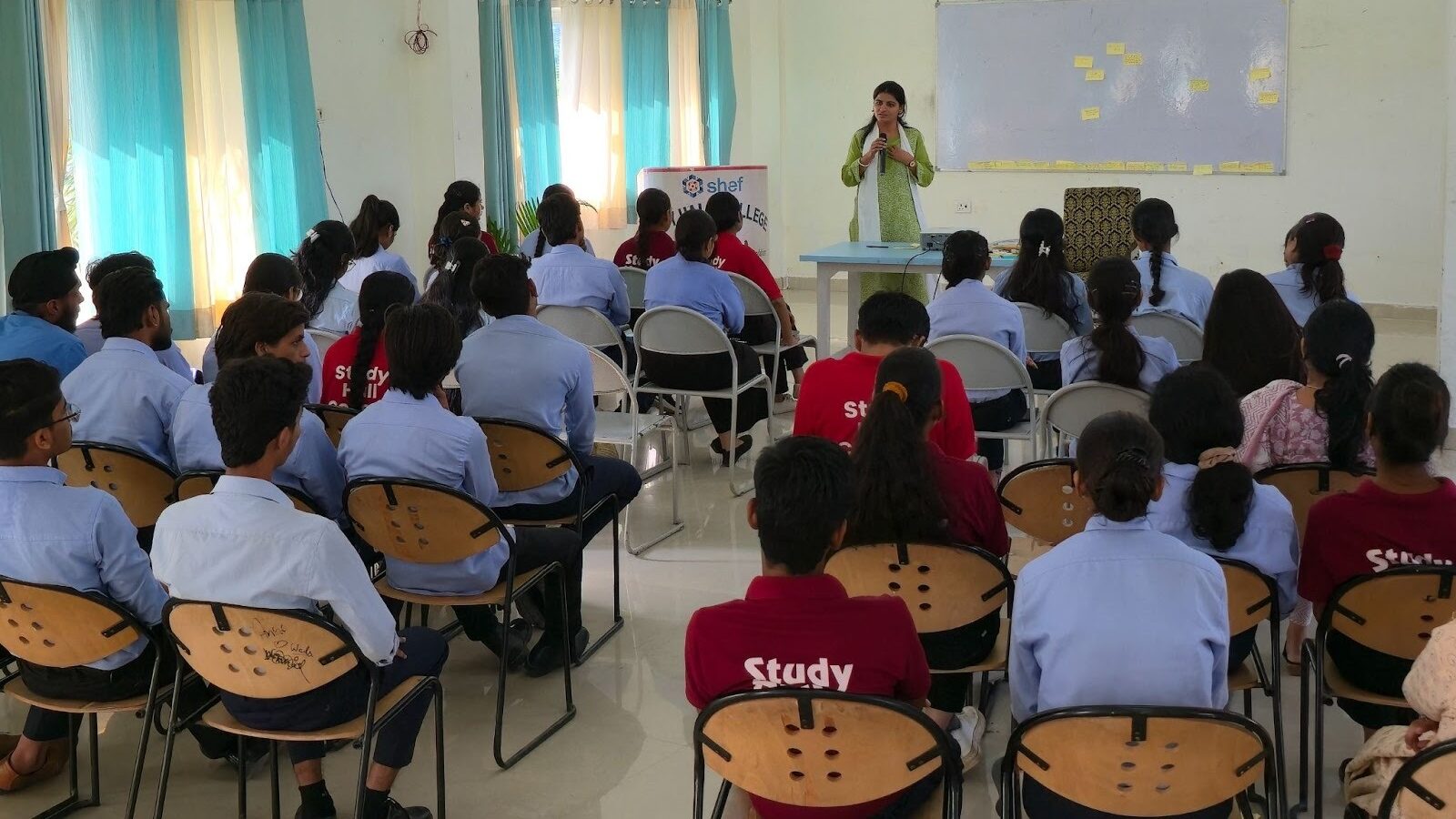
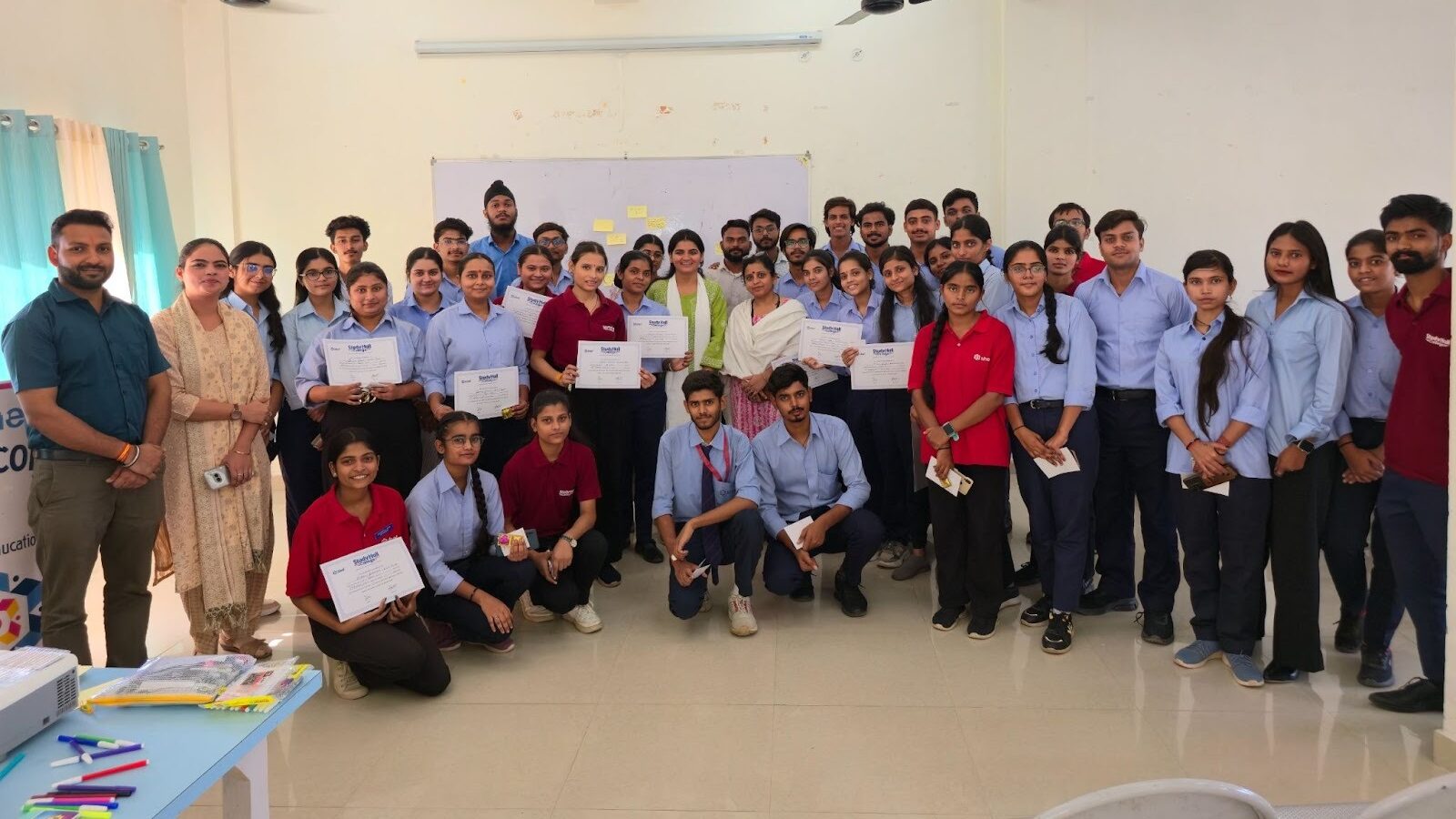
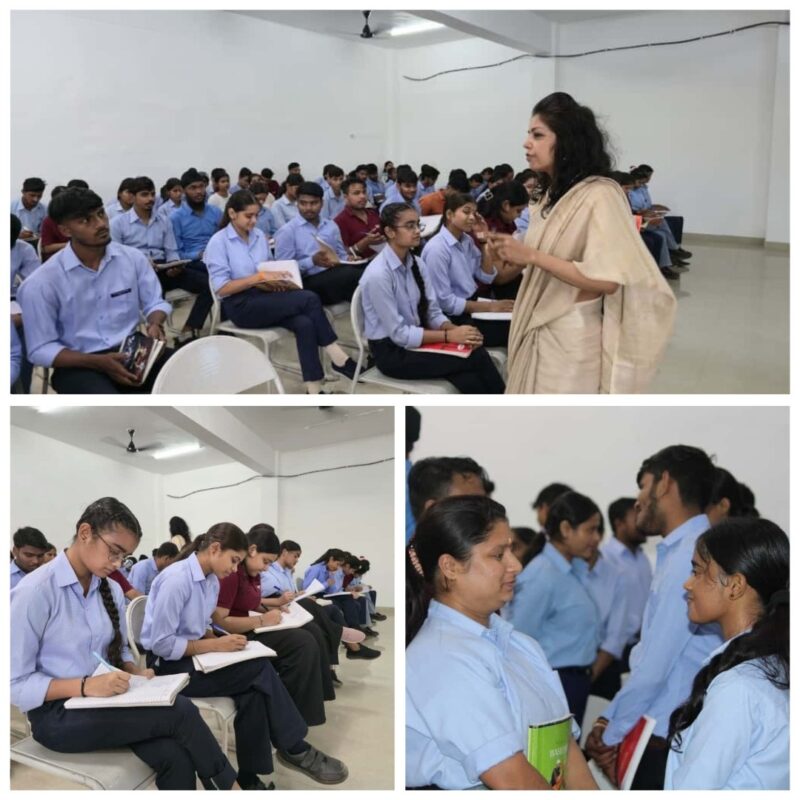
Recently, a transformative workshop was conducted with Bhagidaari Bhavan for students preparing for civil services exams, focusing on the intricate ways gender shapes our relationships. In a society where gender norms and expectations often dictate behavior and attitudes, this workshop aimed to shed light on the importance of gender equality and its profound impact on our personal and professional lives.
Objectives of the Workshop
The primary objective of this workshop was to foster an understanding of how deeply ingrained gender norms influence our interactions. By exploring these themes, facilitators encouraged students to engage in open discussions that challenge traditional stereotypes and biases. This dialogue aimed to empower participants to recognize the barriers that gender inequality creates and to envision a more equitable future.
Key Themes Discussed
Understanding Gender Norms: The workshop began with an exploration of what gender norms are and how they manifest in daily life. Participants shared personal experiences, highlighting how societal expectations can dictate roles and responsibilities, often to the detriment of both individuals and communities.
Impact on Relationships: Facilitators led discussions on how gender shapes our relationships—whether familial, platonic, or professional. Students reflected on the dynamics of power, communication, and emotional expression, gaining insights into how gender influences these aspects.
Encouraging Open Dialogue: One of the most enriching parts of the workshop was the emphasis on open discussions. Students were encouraged to express their thoughts, ask questions, and challenge preconceived notions. This safe space allowed for honest conversations about the nuances of gender identity and the importance of inclusivity.
Empowering Insights: Throughout the session, facilitators provided empowering insights into how individuals can contribute to a culture of equality. Strategies were discussed on advocating for oneself and others, promoting respectful communication, and fostering supportive environments both in personal and professional contexts.
Building Healthier Connections
The workshop concluded with a collective vision for building healthier, more equitable connections in every aspect of life. Students were left with practical tools and strategies to not only advocate for gender equality but also to implement these ideals in their future careers as civil servants.
Overall, the workshop conducted by the Aarohini Advocacy team was a significant step towards empowering future leaders to understand and address gender inequalities. By fostering an environment of open discussion and critical reflection, participants were encouraged to challenge existing norms and promote a more inclusive society. As these students prepare for their roles in public service, the insights gained from this workshop will undoubtedly influence their approach to governance and community engagement, paving the way for a more equitable future for all.
We are thrilled to inform that today the Aarohini team organized a special webinar to celebrate the International Day of the Girl Child, attended by 760 teachers from KGBVs and government schools, along with 400 girls from KGBVs. Key officials from the Basic Education Department, the Women’s Welfare Directorate, Childline, and the Women’s Helpline participated in the discussions. They emphasized the crucial role that teachers play in creating a safe and equal environment for girls and women. Additionally, the panelists informed the girls and teachers about various government schemes designed to ensure girls’ education and safety.
The Aarohini Advocacy team of the Study Hall Educational Foundation is proud to announce a thought-provoking street play performed by the talented students of Vidyasthali School SHEF. Titled “A Call for Gender Equality,” this initiative aims to raise awareness about critical issues surrounding gender inequality, specifically targeting child marriage, access to education, dowry, and the urgent need to sensitize communities against these social evils.
Through powerful performances, the students will engage the public in conversations about the importance of gender equality and the collective responsibility to challenge harmful practices. This initiative not only showcases the creativity and passion of young minds but also seeks to ignite change within the community.
We invite everyone to join us in witnessing this impactful street play and contribute to the dialogue surrounding gender equality. Together, let’s take a stand against child marriage, promote education for all, and work towards a society free from dowry and discrimination.
Quotes from the organizers and Participants-
Swarnima Singh ( Counsellor Sukraksha ( Family Counseling Center) – Street plays on social issues in public spaces empower communities by fostering awareness and encouraging dialogue. These performances engage diverse audiences, challenge societal norms, and inspire collective action, ultimately contributing to positive social change. Through creativity and direct engagement, they provide a powerful platform for voices that might otherwise go unheard.